Engine Issues: Troubleshooting and Solutions
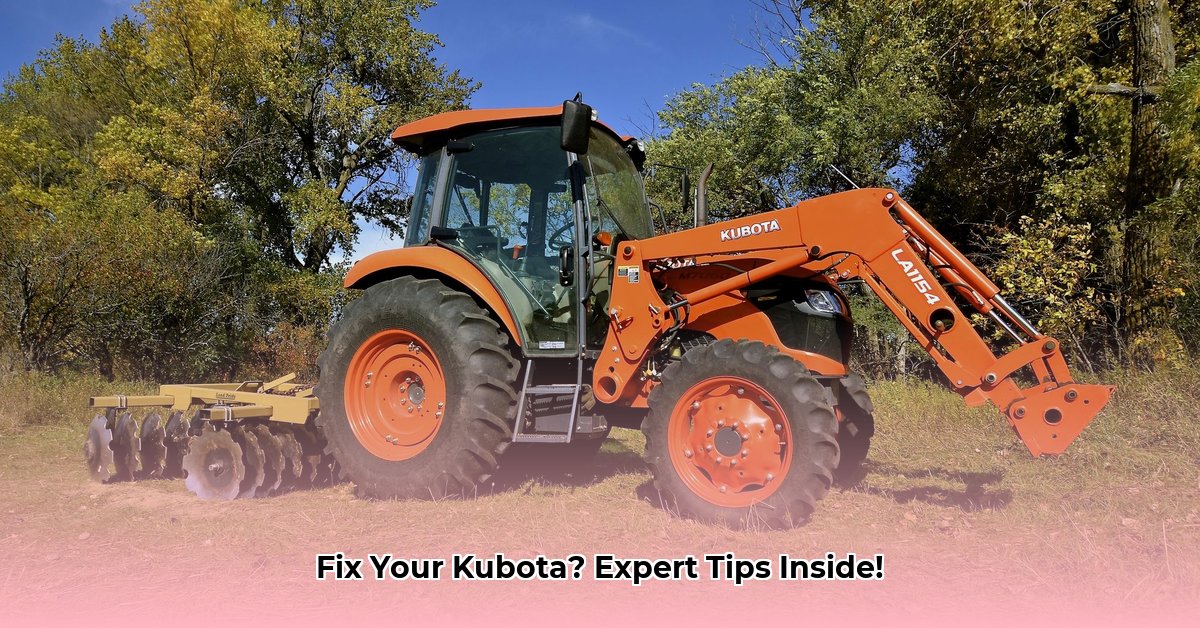
Engine problems are a common headache for Kubota tractor owners. Fortunately, many can be addressed with straightforward troubleshooting. Let's tackle some frequently encountered issues. For more information on overheating, a common Kubota issue, see this helpful guide on Kubota Tractor Overheating.
1. Low Oil: Insufficient oil leads to insufficient lubrication, causing serious engine damage. Check your oil level regularly using the dipstick. Add the correct type of oil (specified in your owner's manual) if needed. Persistent low oil levels may indicate a leak or pump problem, requiring professional attention.
2. Fuel System Issues: A clogged fuel filter restricts fuel flow, reducing engine performance. Replacing the fuel filter at the recommended intervals (consult your owner's manual) is crucial preventive maintenance. Suspect bad fuel? Consider a fuel system flush, or consult your mechanic for professional guidance.
3. Air Intake Problems: A dirty air filter restricts airflow, impacting engine performance. Like a clogged nose, a dirty filter restricts your engine's ability to "breathe" properly. Regularly inspect and clean or replace your air filter, a simple task with significant preventive benefits.
4. Overheating: Overheating can severely damage your engine. Regularly check coolant levels and inspect for leaks in hoses or a faulty thermostat. A blocked radiator prevents proper cooling; inspect and clean it regularly. Remember to use the correct coolant type.
Hydraulic System Problems: Diagnosing and Repairing
Kubota tractors rely heavily on their hydraulic systems. Problems here can severely impact functionality.
1. Low Hydraulic Fluid: Low fluid directly impacts performance. Regularly check fluid levels and add the correct type (as specified in your manual) if necessary. Persistent low levels suggest a leak, which requires professional diagnosis and repair.
2. Hydraulic Leaks: Inspect all hydraulic lines and seals for leaks. Small leaks can escalate quickly, leading to significant damage. Repair or replace damaged components promptly. Leaks can be difficult to fix without specialized tools and training.
3. Hydraulic Pump Problems: A failing pump significantly reduces hydraulic system performance. This is a job for a qualified mechanic; it usually necessitates specialized tools and expertise.
4. Hydraulic Valve Issues: Malfunctioning valves cause problems with implements. Thorough inspection is essential; repair or replacement may be needed. While experienced DIYers might tackle this, it frequently requires professional expertise.
Electrical System Annoyances: Tracing and Fixing Electrical Faults
Electrical problems often prove more challenging than other types of issues.
1. Battery Issues: A weak or dead battery is frequently the root cause of electrical problems. Test the battery charge, clean terminals, and replace the battery if it's consistently weak or old. Did you know a fully charged battery can increase your tractor's starting power by as much as 25%?
2. Wiring Problems: Corrosion or damage to your wires interrupts electrical circuits. Carefully examine your wiring harnesses for damage (frayed wires, broken connections). Repair or replace as needed. This often requires patience and a keen eye!
3. Starter Motor Problems: A faulty starter prevents the engine from turning over. This is generally a situation requiring professional attention and should be handled by a qualified mechanic.
4. Alternator Failures: A faulty alternator won't charge your battery leading to complete electrical failure. The alternator needs replacing; leave this task to experienced mechanics.
Transmission Troubles: Addressing Shifting Difficulties
Transmission issues can be costly to fix, so early intervention is key.
1. Transmission Fluid Leaks: Check for leaks around your transmission. If low, add the correct fluid. However, a leak requires a mechanic's expertise to identify and repair the source.
2. Shifting Problems: If your tractor's transmission has difficulty shifting gears, do not force it. This signals a potential problem. Forcing a bad shift can worsen the damage. Consult a mechanic immediately.
3. Unusual Noises: Grinding, whining, or other strange noises from the transmission are strong indicators of internal damage and require professional assessment and repair.
Preventive Maintenance: A Proactive Approach
Regular maintenance is crucial for avoiding major issues.
| Task | Frequency | Notes |
|---|---|---|
| Engine Oil Change | Every 50 hours | Use the correct oil weight and type as specified in your owner's manual. Check your oil level weekly. |
| Air Filter Check/Change | Every 25 hours | Clean or replace if needed. A clean air filter can even improve engine fuel economy by a measurable amount! |
| Fuel Filter Change | Every 100 hours | Check for contamination regularly. |
| Fluid Level Checks | Before each use | Engine oil, transmission fluid, coolant, and hydraulic fluid. |
| Battery Inspection | Weekly | Check voltage and clean terminals. |
| Tire Pressure Check | Monthly | Maintain proper inflation for optimum tire life and fuel efficiency. |
| General Cleaning | After each use | Remove mud, debris, and other obstructions. |
This guide provides a foundation for troubleshooting common Kubota tractor problems. Remember safety first! If you encounter complicated problems or are unsure about a repair, consult a qualified mechanic or Kubota authorized dealer. They possess the expertise and tools to get your tractor back in top working order.